
Author Archives: FASG-ADMIN

2026 Continuing Genealogy Research Grants: Applications Now Available

Application forms for the 2026 ASG Continuing Genealogical Research Grants may now be requested by e-mail from Alicia Crane Williams, FASG, at acwcrane@aol.com.  Up to 4 grants of $2,500 each will be awarded. The deadline for submitting completed applications is April 1, 2026.

The first ASG Continuing Genealogical Research Grants  were announced in 2021 and awarded in 2022. For information about the 16 grants that have been awarded through 2025, see Grants for Continuing Genealogical Research Projects – American Society of Genealogists.

Our 2025 Grant program attracted 32 applications from three continents.  For the 2021-2022 cycle we received only two applications! In just these few years, the ASG Continuing Genealogical Research Grants Program has brought to the attention of the genealogical community many interesting and worthy genealogical projects from around the world.  ASG’s support of these projects benefits not only the grant recipients, but the entire audience of their completed work.

If you are inspired by this kind of direct support for genealogical research, please consider making a donation to American Society of Genealogist in support of its Grants Program, including the Continuing Genealogical Research Grants. To donate, see this page. All such donations are tax deductible and will be appreciated not only by the American Society of Genealogists but by the growing number of highly talented genealogists whose vision and skill can be rewarded with this support.
American Society of Genealogists: Grants and Awards: Donations Are Welcome

In 2022 the American Society of Genealogists established the ASG Continuing Research Grants Program with the goal to award grants of $2,500 each for as many as four genealogical projects per year. (See Grants for Continuing Genealogical Research Projects – American Society of Genealogists.)

To ensure our continued support of outstanding research, the American Society of Genealogists is seeking donations to its Grants and Awards Fund in support of the Continuing Genealogical Grants program, as well as other awards, including the Donald Lines Jacobus Award and the ASG Scholar Award, which have been disbursed by ASG over decades (see Awards – American Society of Genealogists).

The American Society of Genealogists is a Utah 501(c) 3 nonprofit corporation, operating as a public charity. All donations (by Fellows of the ASG or by any other donor) are fully tax deductible to the extent allowed by law. Donations may be made by check made out to American Society of Genealogists, sent to Darcie Hind Posz, CG, FASG, Treasurer, 915 E St. NW, #909, Washington, DC 20004-2006. The memo line of the check should designate the Grants and Awards Fund.

Donations to ASG may also be made online (by holders of a PayPal account) through the following link:

https://paypal.me/thegenealogist

Bonnie Wade Mucia receives ASG Scholar Award

The ASG Scholar Award rewards talented genealogists with stipends to pursue advanced academic training in genealogy. At its annual meeting on October 4, 2025, the American Society of Genealogists granted the ASG Scholar Award to Bonnie Wade Mucia, AG, of Bluffton, South Carolina, in recognition of her article “Samuel Beal Shea of the 19th Maine at the Battle of Gettysburg,” published in The Maine Genealogist. Ms. Mucia plans to use the award to offset expenses for advanced training in military records in 2026.

New Fellows: Scott Andrew Bartley, John D. Beatty, and Allen R. Peterson

The Fellows of the American Society of Genealogists (ASG) held their 86th annual meeting on Saturday, October 4, 2025. Scott Andrew Bartley of Tunbridge, Vermont; John D. Beatty of Fort Wayne, Indiana; and Allen R. Peterson of Katy, Texas, were elected to the Society as its 174th, 175th, and 176th fellows, respectively.

Scott Andrew Bartley has been the editor of The Mayflower Descendant and Vermont Genealogy and has published numerous scholarly articles in those journals as well as The New England Historical and Genealogical Register, The New Hampshire Record, and Rhode Island Roots. His encyclopedic compilations Vermont Families in 1791 and Early Vermont Settlers to 1771, together with his editions of vital records of Springfield and other Vermont towns, anchor his major contributions to Vermont and Northern New England genealogy.

John D. Beatty has been a genealogist and librarian at the nationally renowned Allen County [Indiana] Public Library’s Genealogy Center for over forty years. The most recent of his several book-length genealogies was The Vick Genealogy: The Study of An American Family in White and Black, recipient of the American Society of Genealogists’ Jacobus Award in 2024. Other publications cover a broad thematic, methodological, and geographic range, including editions of vital records and historical narratives from Ireland and Maine, as well as scholarly articles on German, Irish, New England, Mid-Atlantic and Midwestern families in each of the major American genealogical journals.

Allen R. Peterson is a Certified Genealogist and a former editor of National Genealogical Society Quarterly.  His two books and nearly two dozen studies in scholarly journals focus on English and English-American genealogy, with a special interest in the identification of obscure women and the use of contextual and community-wide research to separate individuals of common names.


ASG Scholar Award for 2026: Applications Now Open

Applications are now being accepted for the ASG Scholar Award for 2026 (deadline: August 31, 2025). This annual grant of $2,000 is awarded for study at one of six major academic genealogical programs in the United States (listed below). Candidacy is open to all genealogists, genealogical librarians, and researchers working in related fields. Applicants submit a published work or a manuscript of work in progress, to be judged by a panel of three Fellows. The goal of the award is to recognize talent and build genealogical expertise by providing promising genealogists the opportunity to receive advanced academic training in genealogy.

The award granted at the ASG annual meeting in the fall of each year is to defray costs of attending a program in the following calendar year.

The ASG Scholar Award provides financial assistance for a developing scholar to attend one of six academic programs in American genealogy: the Institute of Genealogy and Historical Research (IGHR) under the auspices of the Georgia Genealogical Society (formerly based at Samford University, Birmingham, Ala.); the Genealogical Institute on Federal Records (Gen-Fed), formerly NIGR, in Washington, D.C.; the Certificate Program in Genealogical Research at Boston University; the Salt Lake Institute of Genealogy (SLIG); or the GRIP Genealogy Institute; or one of two online courses, Advanced Genealogical Research (GENE 350) or Genetic Genealogy (GENE 201), at Excelsior University, Albany, New York. The recipient of the ASG Scholar Award may register for the program of his or her choice. The award is given in October of each calendar year, with the intention that it is used for genealogical study in the following calendar year.

  • The Genealogical Institute on Federal Records (Gen-Fed), formerly NIGR, held for one week each July and based at the National Archives in Washington, D.C., is the nation’s oldest institute for genealogical education, founded in 1950. Gen-Fed provides a unique program of advanced instruction in the use of National Archives records. Write to: Gen-Fed Director, P.O. Box 24564, Baltimore, MD 21214.
  • The Institute of Genealogy and Historical Research (IGHR), held for one week each year, was founded in 1964 to provide a structured program of genealogical study at an academic level. Based through 2016 at Samford University, Birmingham, Alabama, it moved to Georgia in 2017 and is affiliated with the Georgia Genealogical Society. IGHR offers tracks of study, ranging from beginning to advanced research methodology, professional genealogy, and other specialized topics. Contact: Georgia Genealogical Society, PO Box 550247, Atlanta, GA 30355-2747; email: iighr@gagensociety.org.
  • The Genealogical Research Certificate Program at Boston University consists of five modules, offered on Saturdays in seven-hour sessions: Foundations, Technology, Evidence, Forensic, and Ethnic and Geographic Specialties. Write to: Center for Professional Education, 1010 Commonwealth Ave., 2nd Floor, Boston MA 02215; or web: genealogyonline.bu.edu.
  • The Salt Lake Institute of Genealogy (SLIG), sponsored by the Utah Genealogical Association, is in its 20th year and is a week-long intensive educational experience that takes students deep into their topic of choice. SLIG is dedicated to offering courses that fill a high-intermediate and advanced-level educational need. However, each year a handful of courses are included which provide a wealth of information and background information required to help intermediate and transitional genealogists strengthen their core understanding of the research process. Write to: The Utah Genealogical Association, PO Box 1144, Salt Lake City, UT 84110 or contact info@ugagenealogy.org.
  • The GRIP Genealogy Institute is offered in virtual and in-person sessions (in Pittsburgh, Pennsylvania) each year, led by instructors who are all experienced genealogical researchers, lecturers, and writers who bring their expertise into the classroom with case studies and problem solving exercises. The students come from a wide variety of backgrounds but all share their passion for family history and for learning how to efficiently break down “brick wall” genealogical puzzles. Various different week-long genealogical courses which incorporate hands-on learning in a state-of-the-art and friendly community atmosphere. Contact: grip@ngsgenealogy.org.
  • GENE 350 (Advanced Genealogical Research—15 weeks) or GENE 201 (Genetic Genealogy—8 weeks) at Excelsior University, Albany, New York. These undergraduate credit-bearing courses are taught online by leaders in the field and meet or exceed standards for both genealogy and genetic genealogy.

Applications

Applicants for the ASG Scholar Award for 2025 should apply before August 31, 2025, by submitting the items below:

  • a résumé that emphasizes activities relating to genealogy and lists the applicant’s publications in the field, if any (prior publications are not necessary).
  • a manuscript or published work of at least 5,000 words, demonstrating an ability to conduct quality genealogical research, analyze results, and report findings in an appropriately documented fashion. If the submission is to be returned, it should be accompanied by an envelope or bagging with sufficient postage.
  • a statement (100–150 words) which (1) identifies the candidate’s choice of program and (2) explains why the candidate feels that attendance will enhance his or her growth as a genealogical scholar.

The ASG Scholarship Committee, chaired by the ASG vice-president, will make the selection for the award. Announcement of the award winner will be made by October 15, 2025. Applications should be addressed to:

Nathaniel Lane Taylor, Chair
ASG Scholar Award Com­mittee
P.O. Box 11
Barrington, RI 02806

Email submission is preferred, to: nltaylor@nltaylor.net

Read more about the award and see a list of past recipients at Awards > ASG Scholar Award.

James L. Hansen, FASG, 1948-2025

The Fellows observe, with sadness, the death of James L. Hansen, FASG, on 22 June 2025.

Born in 1948, Jim Hansen served for forty years as genealogical reference librarian at the Wisconsin Historical Society, retiring in 2014. During that period he was an active genealogical lecturer, writer, and editor/proofreader for numerous genealogical books and periodicals. After a conventional beginning in genealogical research in the early 1970s, tracing his own family (Norwegian, French-Canadian, New England, and German), and his wife’s (across virtually every state east of the Mississippi), he became particularly involved in tracing some of the earliest (mostly French-Canadian) non-native settlers of the Upper Mississippi River Valley, especially Prairie du Chien.

ASG Awards 2025 Continuing Genealogical Research Grants

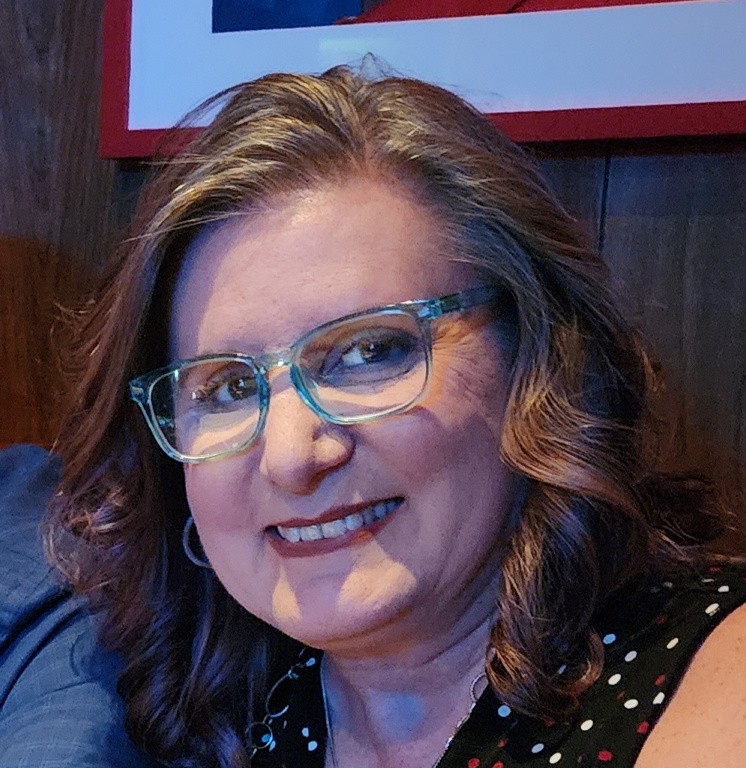
The Fellows of the American Society of Genealogists has awarded four Continuing Genealogical Research Grants for the 2025 grant cycle. This year, the ASG received thirty-two grant applications, plus several more which arrived late, and for which the authors are encouraged to apply in a future cycle. The range and excellence of our top choices is impressive. The ASG deems it an honor to contribute to such scholarship. Being chosen for the ASG grant provides both funding and enthusiasm to complete valuable projects. Here are the four 2025 grant recipients:

Michelle Tucker Chubenko: “A Genealogist’s Guide to Austrian Land Cadastres for the Crownland of Galicia.” Around the year 1900, many Austro-Hungarians entered the United States, but when the U.S. declared war in 1917, all 3 million U.S. residents from the empire were declared enemy agents. Tracing their origins now is aided by precise mapping of landownership and meaningful boundaries. Funds will support transcription in the necessary languages and access to these under-used and little understood Austro-Hungarian records.
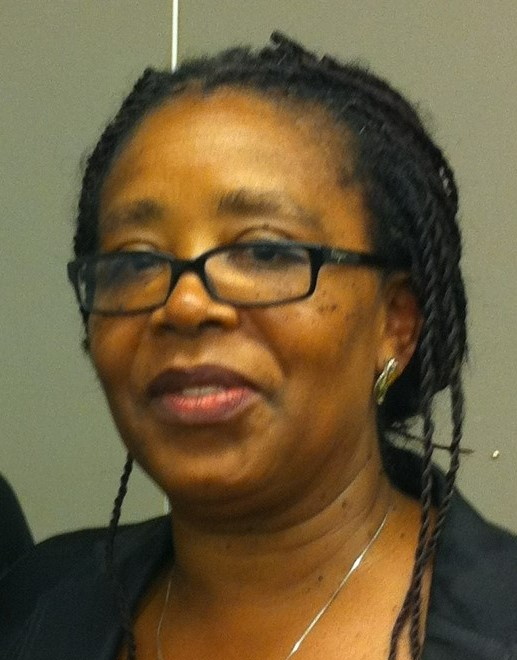
Yvonne Captain, PhD: “The Importance of the African Union Methodist Protestant (A.U.M.P.) Church of Delaware to the African Diaspora.” This well-developed project on African Diaspora and origins of Southwest Louisiana families seeks to connect names with locations in Africa. Dr. Captain will demonstrate how genealogy and university-level scholarship intertwines. Funds will support creation of a museum exhibit, progress on a book length manuscript, travel to Baton Rouge and research on specific families, including the Tisonneau family.
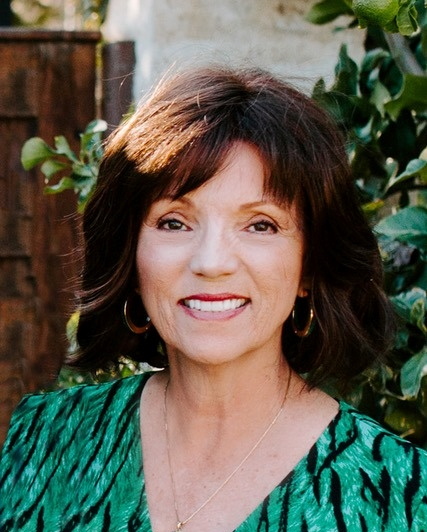
Kahealani Martins Curammeng: “Portuguese Heritage in the Hawaiian Kingdom.” This mature program (already over 44,500 entries on over 20,000 Portuguese who came to work Hawaii fields, 1878–1913) will concentrate on earlier arrivals who were less documented than later ones. Ms. Curammeng previously published They Came in Ships to Terra Nova (Legacy, 2023, 308 pp.). Her team project is a 501c3 non-profit. Funds will support research and the creation of a digital archive and interactive presentations.
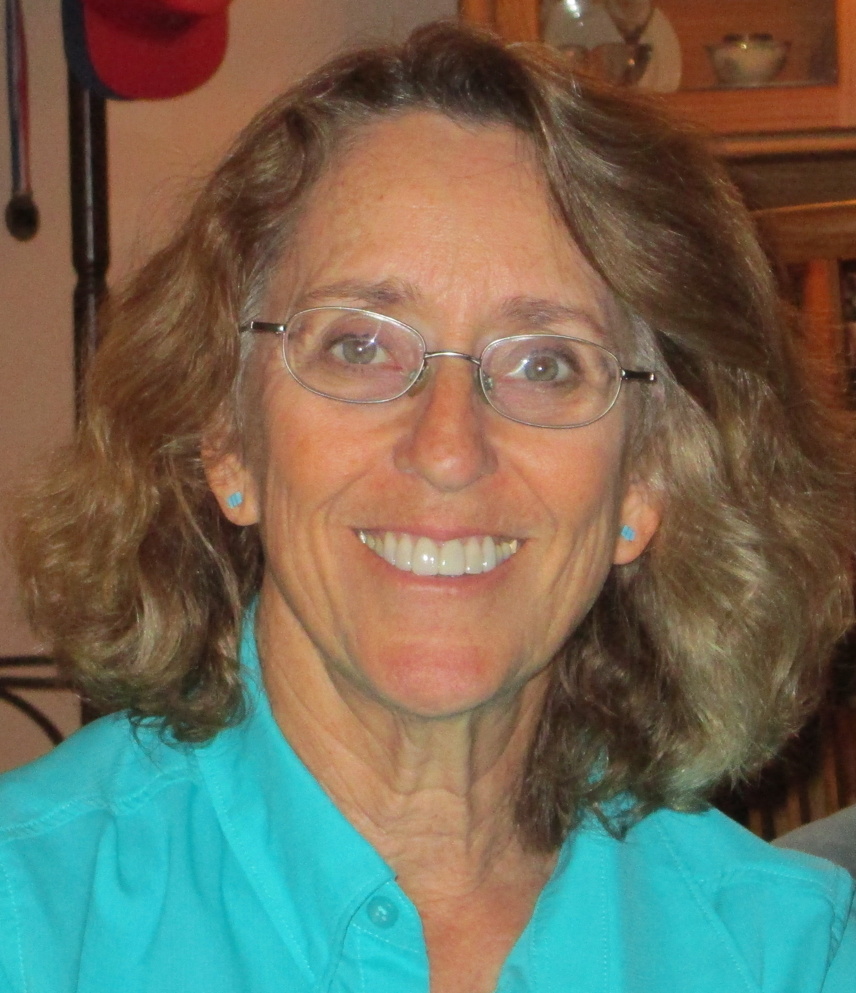
Emily H. Garber: “American Jewish Genealogy: From the Past to the Future.” This project is a timely synthesis of Jewish genealogy perspectives to be gained through an inspired, focused collection of interviews with leading scholars and study of papers of very senior contributors to the field, including those of Rabbi Malcolm Stern, FASG. Funds will support travel, access, and research on this well-defined project.
Winson De Ville, FASG, 1937-2025

The Fellows observe, with sorrow, the death of Winston De Ville, FASG, on 24 March 2025.

Winston was the senior Fellow of the American Society of Genealogists, having been elected a Fellow in 1970. A native of Evangeline Parish, Louisiana, Winston De Ville was educated in his native state, earning degrees in music, history, and French. Over many decades as a practicing genealogist and prolific historian, he was known to all as the dean of Louisiana genealogy and a master raconteur of its rich and unique history and culture.

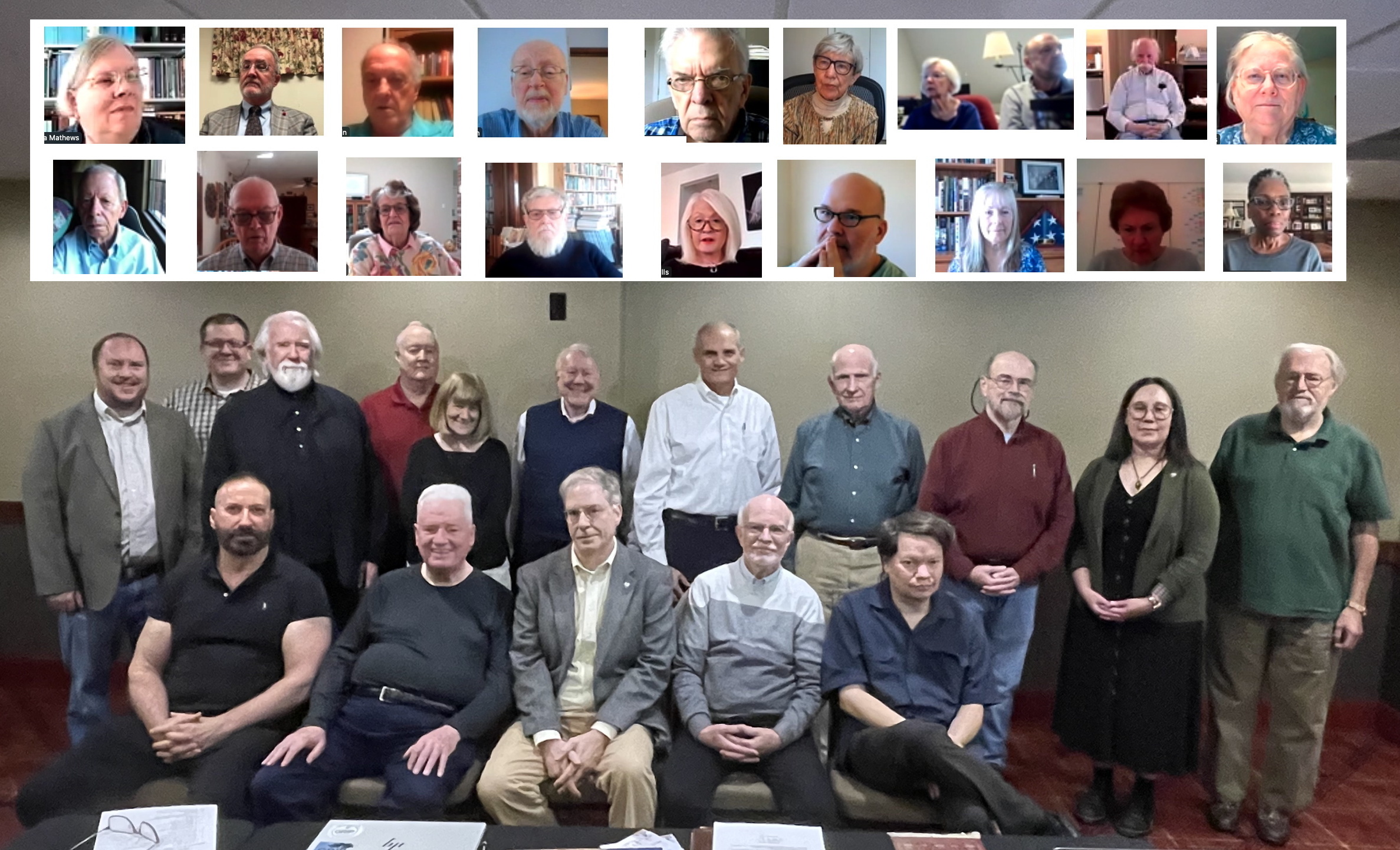
Photo Archive: 2024 Annual Meeting

The Society’s 85th Annual Meeting was held on Saturday, October 26, 2024, in Salt Lake City, Utah, with 37 Fellows in attendance, 16 in person and 21 by videoconference.

In person:

Seated: Reed, Sperry, Taylor, Joslyn, Mahler.
Standing: Murphy, Battle, Smith, J. Anderson, Gumina, T. Jones, Stott, Saxbe, Remington, Posz, Dearborn.
Remote, Upper Row: Mathews, Dwyer, Baldwin, J. Hansen, Sanborn, Hinchliff, J. Fiske, W. Fiske, Hill, Williams.
Remote, Lower Row: H. Jones, Hart, Bamberg, R. Anderson, Mills, Dobson, Byrne, Hatcher, Garrett-Nelson.
Not pictured: Arthaud, Hyde.

Robert Charles Anderson, FASG, 1944-2025

The Fellows are deeply saddened by the death of Robert Charles Anderson, FASG, on 17 February 2025. 

Bob was elected a Fellow of the American Society of Genealogists in 1977, as no. 110 on the roll, and served as our president from 1989 to 1992.

His contributions to our field are incalculable. The body of work he left behind will be cited by generations to come. His genealogical work was at once granular and encyclopedic, as well as synthetic and visionary. His mastery and infectious delight in fields far beyond genealogy was also an inspiration and a pleasure to all who were privileged to know him.