
Applications are now being accepted for the ASG Scholar Award for 2027.
Deadline: October 1, 2026.
This scholarship supports attendance at one of the major academic genealogical programs in the United States. The award is open to all genealogists, genealogical librarians, and researchers working in related fields. Applicants submit a published work or a manuscript of work in progress, to be judged by a panel of Fellows. The goal of the award is to recognize talent and build genealogical expertise by providing promising genealogists the opportunity to receive advanced academic training in genealogy.
The ASG Scholar Award provides financial assistance for a developing scholar to attend one term of one of the well-established academic programs in American genealogy listed below. The recipient of the ASG Scholar Award may register for the program of his or her choice. For programs with limited enrollment, ASG Scholar Award recipients have historically been granted priority enrollment.
The amount, date, and means of disbursement of the ASG Scholar Award is dependent on the program in which the recipient enrolls. The award will cover registration and similar fees for a single term. (Typical registration or related fees for these programs are in the range of $500 to $800.) For programs historically competitive or subject to lottery (including Gen-Fed), receipt of the ASG Scholar Award effectively guarantees admission to the program.
The ASG Scholar Award is granted at the ASG’s annual meeting in the Fall of each calendar year, to fund genealogical study in the following calendar year. This year, the award will be announced shortly after the ASG’s annual meeting on October 17, 2026.
Programs the award can support:
-
- The Genealogical Institute on Federal Records (Gen-Fed), formerly NIGR, held for one week each year and based at the National Archives in Washington, D.C., is the nation’s oldest institute for genealogical education, founded in 1950. Gen-Fed provides a unique program of advanced instruction in the use of National Archives records.
-
- The Institute of Genealogy and Historical Research (IGHR), held for one week each June, was founded in 1964 to provide a structured program of genealogical study at an academic level. Based through 2016 at Samford University, Birmingham, Alabama, it moved to Georgia in 2017 and is affiliated with the Georgia Genealogical Society. IGHR offers tracks of study, ranging from beginning to advanced research methodology, professional genealogy, and other specialized topics. Contact: IGHR at Georgia Genealogical Society: ighr@gagensociety.org.
-
- The Salt Lake Institute of Genealogy (SLIG), sponsored by the Utah Genealogical Association, is in its 20th year and is a week-long intensive educational experience that takes students deep into their topic of choice. SLIG is dedicated to offering courses that fill a high-intermediate and advanced-level educational need. However, each year a handful of courses are included which provide a wealth of information and background information required to help intermediate and transitional genealogists strengthen their core understanding of the research process. Contact: The Utah Genealogical Association, PO Box 1144, Salt Lake City, UT 84110; email: info@ugagenealogy.org.
- The GRIP Genealogy Institute (in Pittsburgh, Pennsylvania) is led by instructors who are all experienced genealogical researchers, lecturers, and writers who bring their expertise into the classroom with case studies and problem solving exercises. The students come from a wide variety of backgrounds but all share their passion for family history and for learning how to efficiently break down “brick wall” genealogical puzzles. Various different week-long genealogical courses which incorporate hands-on learning in a state-of-the-art and friendly community atmosphere. Contact: grip@ngsgenealogy.org.
- The Salt Lake Institute of Genealogy (SLIG), sponsored by the Utah Genealogical Association, is in its 20th year and is a week-long intensive educational experience that takes students deep into their topic of choice. SLIG is dedicated to offering courses that fill a high-intermediate and advanced-level educational need. However, each year a handful of courses are included which provide a wealth of information and background information required to help intermediate and transitional genealogists strengthen their core understanding of the research process. Contact: The Utah Genealogical Association, PO Box 1144, Salt Lake City, UT 84110; email: info@ugagenealogy.org.
Programs no longer operating which the award supported in the past include courses at Boston University’s Genealogical Research Program leading to BU’s Certificate in Genealogical Research; and genealogy courses (online) at Excelsior College, Albany, New York.
Applications
Applicants for the ASG Scholar Award for 2027 should apply before October 1, 2026, by submitting the items below:
- a résumé that emphasizes activities relating to genealogy and lists the applicant’s publications in the field, if any (prior publications are not necessary).
- a manuscript or published work of more than 5,000 words demonstrating an ability to conduct quality genealogical research, analyze results, and report findings in an appropriately documented fashion.
- a statement (200 words) which (1) identifies the candidate’s choice of program and (2) explains why the candidate feels that attendance will enhance his or her growth as a genealogical scholar.
Applications should be sent by email to:
Read more about the award and see a list of past recipients at Awards > ASG Scholar Award.
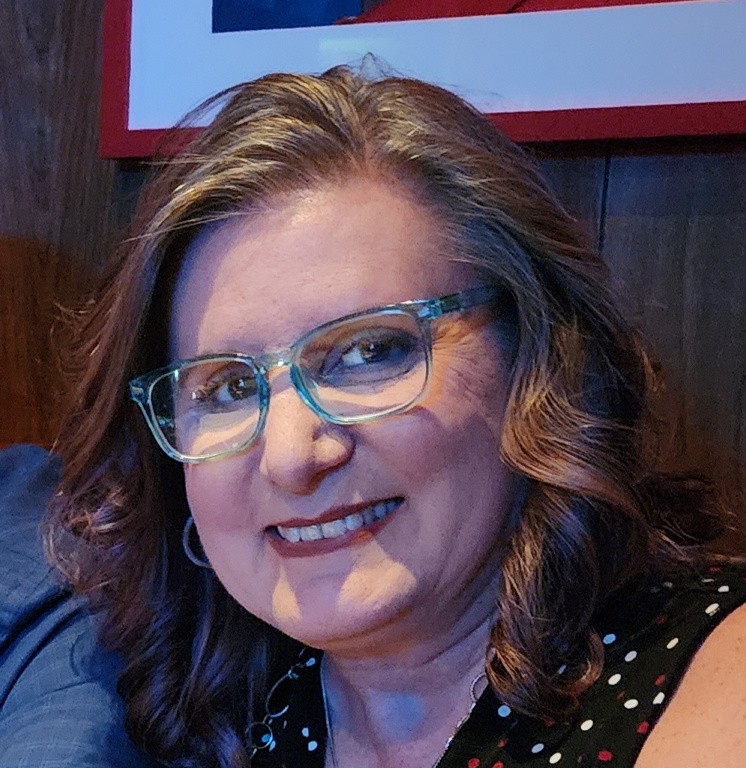 Michelle Tucker Chubenko: “A Genealogist’s Guide to Austrian Land Cadastres for the Crownland of Galicia.” Around the year 1900, many Austro-Hungarians entered the United States, but when the U.S. declared war in 1917, all 3 million U.S. residents from the empire were declared enemy agents. Tracing their origins now is aided by precise mapping of landownership and meaningful boundaries. Funds will support transcription in the necessary languages and access to these under-used and little understood Austro-Hungarian records.
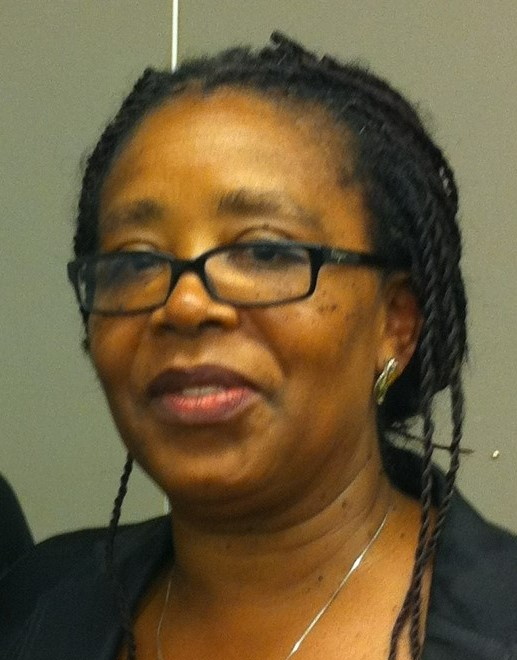 Yvonne Captain, PhD: “The Importance of the African Union Methodist Protestant (A.U.M.P.) Church of Delaware to the African Diaspora.” This well-developed project on African Diaspora Church denominations seeks to explore the origins that led to the AUMP Church’s present-day status. Dr. Captain will demonstrate how genealogy and university-level scholarship intertwine. Funds will support interviews with families of existing and defunct churches within the denomination, including family members who were children when the Church peaked in the 1970s. Time at the Delaware Historical Society and collecting artifacts round out this phase of the project. Later research involves scholars at colleges and universities, their students, and community members mostly in the Delmarva region. They will help see the project through by mounting exhibits and, finally, publishing.
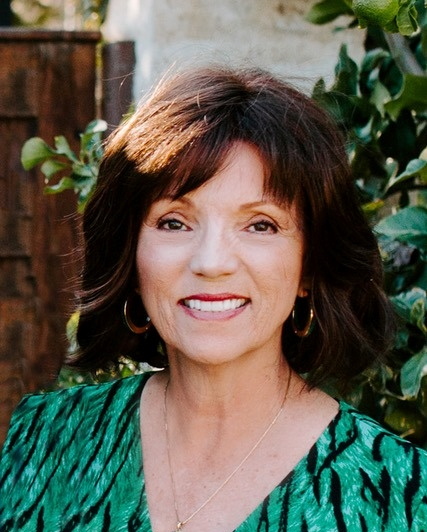 Kahealani Martins Curammeng: “Portuguese Heritage in the Hawaiian Kingdom.” This mature program (already over 44,500 entries on over 20,000 Portuguese who came to work Hawaii fields, 1878–1913) will concentrate on earlier arrivals who were less documented than later ones. Ms. Curammeng previously published They Came in Ships to Terra Nova (Legacy, 2023, 308 pp.). Her team project is a 501c3 non-profit. Funds will support research and the creation of a digital archive and interactive presentations.
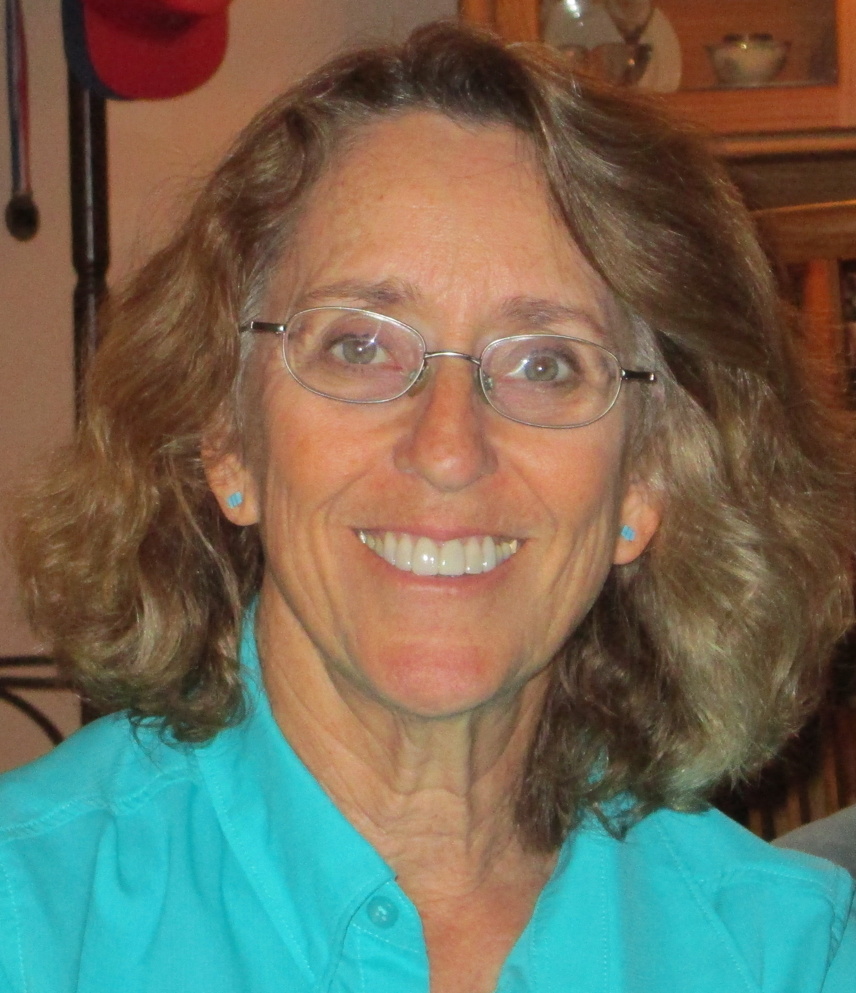 Emily H. Garber: “American Jewish Genealogy: From the Past to the Future.” This project is a timely synthesis of Jewish genealogy perspectives to be gained through an inspired, focused collection of interviews with leading scholars and study of papers of very senior contributors to the field, including those of Rabbi Malcolm Stern, FASG. Funds will support travel, access, and research on this well-defined project.